Trying to choose between a single-family home and a multifamily property in Dumont, NJ? That decision can shape your budget, daily routine, and long-term plans more than almost anything else in your home search. If you are weighing privacy against rental income, or simplicity against flexibility, this guide will help you compare both options with Dumont’s local market in mind. Let’s dive in.
Dumont Housing at a Glance
Dumont is still primarily a single-family housing market. The borough has an estimated population of 18,501 and 6,768 housing units, and about 72.7% of homes are owner-occupied.
The local housing stock supports that pattern. Dumont’s 2025 housing element shows that 70.1% of units are 1-unit detached homes, while 2-unit, 3-to-4-unit, and larger properties make up a smaller share of the market.
That matters when you start your search. In practical terms, you will usually see more single-family choices than multifamily ones, which can make the buying process feel very different depending on what you want.
Single-Family Homes in Dumont
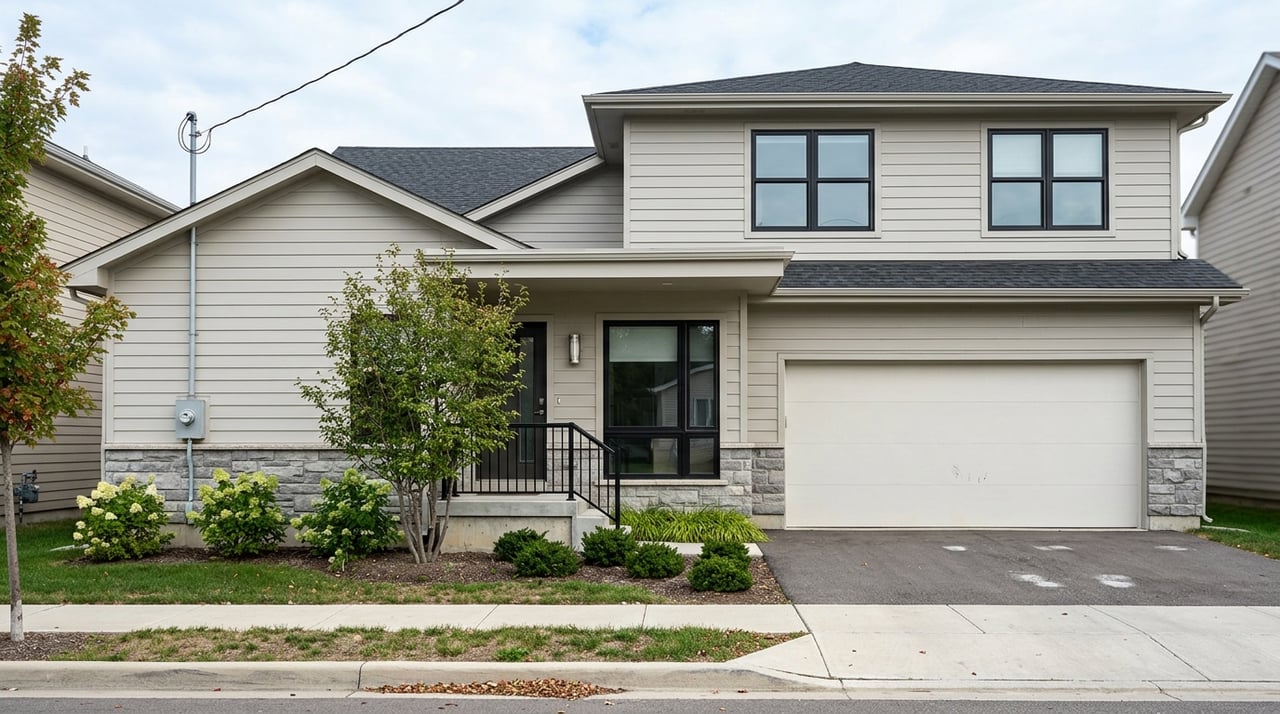
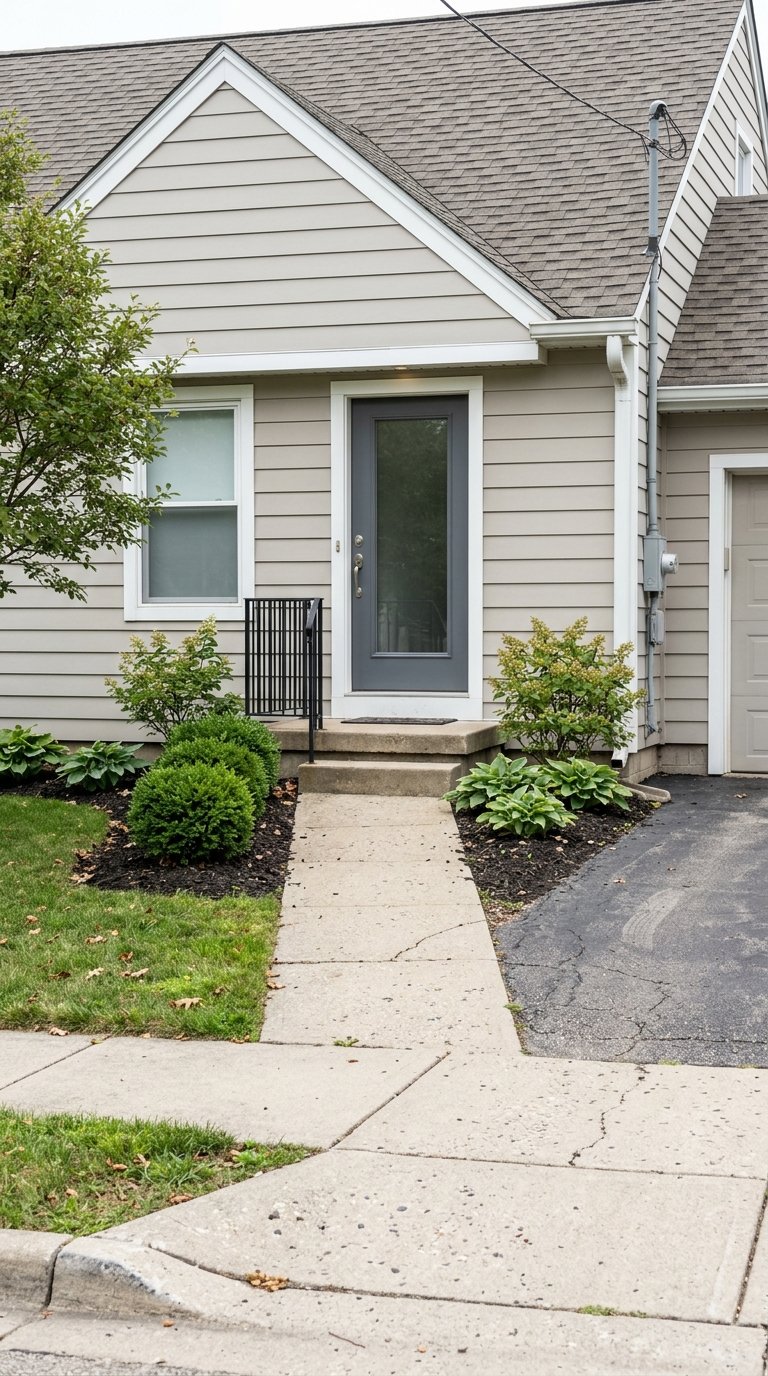
If you picture a more traditional ownership experience, a single-family home will likely feel like the most natural fit in Dumont. It is the most common property type in town, and it tends to appeal to buyers who want one home for their own use.
Single-family living usually gives you more privacy than a multi-unit setup. You are not sharing walls, entrances, or outdoor areas in the same way you might with other housing types.
The tradeoff is that you are responsible for everything. Repairs, maintenance, utilities, and long-term updates all fall on you as the owner.
That cost side is important in Dumont. The borough’s 2025 average residential tax bill was $13,048, so your monthly budget should account for more than just the mortgage payment.
Why Buyers Choose Single-Family
Many buyers choose single-family homes because the ownership path is easier to understand. You buy one unit, live in it, and manage it for your own household.
For first-time buyers especially, that simplicity can be a major advantage. There is no second unit to lease, no tenant-related paperwork, and no need to think through landlord responsibilities from day one.
Single-family inventory is also much more available in Dumont. Zillow currently shows 39 single-family homes for sale, which gives buyers a broader pool of options to compare.
Single-Family Tradeoffs to Know
The main downside is that a single-family home does not create built-in rental income. If you are stretching to buy, you cannot count on a second unit to help offset monthly costs.
You also carry the full property expense on your own. If the roof needs repair, the heating system needs replacement, or the taxes rise over time, there is no rental unit helping absorb those costs.
For some buyers, that is still worth it. If privacy, a straightforward setup, and long-term owner occupancy matter most, single-family often remains the better fit.
Multifamily Homes in Dumont
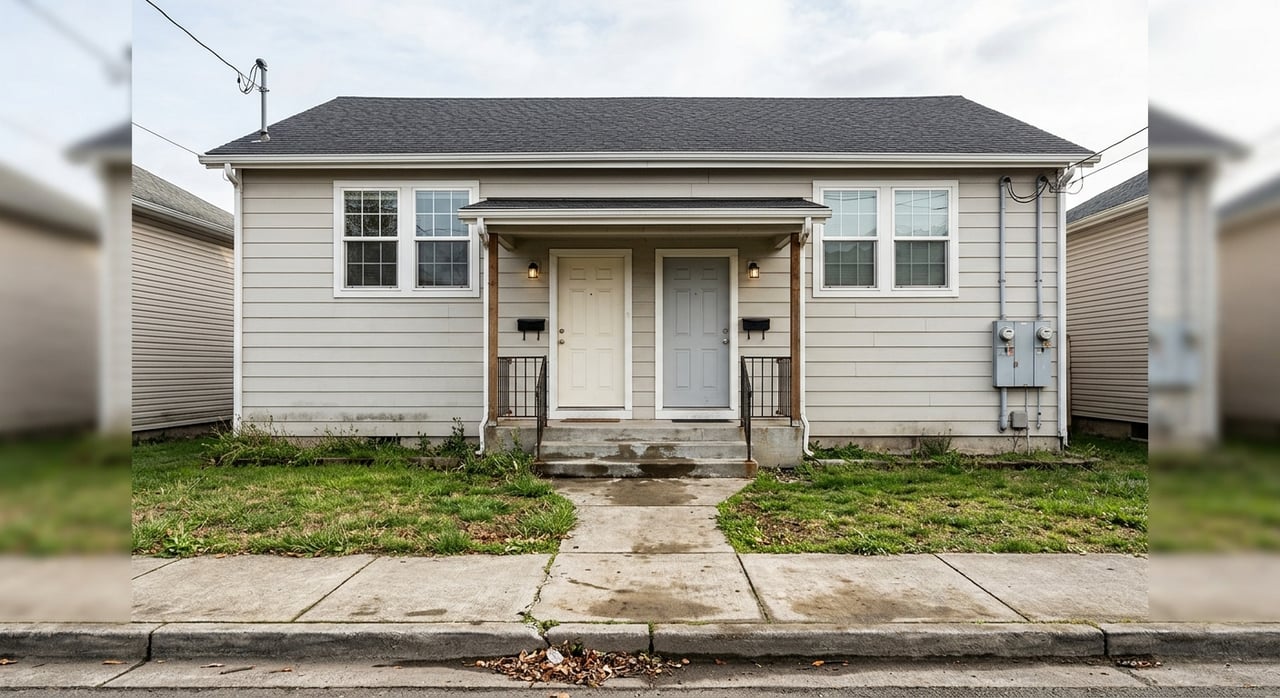
Multifamily homes offer a different kind of opportunity. Instead of buying one unit for your household only, you may be able to live in one unit and rent out another, depending on the property.
In Dumont, that option exists, but it is limited. Redfin currently shows just 3 multifamily homes for sale in the borough, and its Dumont market pages note that only a small number tend to be available at any given time.
That low supply is one of the biggest things to understand upfront. If you want a duplex or another small multifamily property in Dumont, you may need more patience and a faster decision process when one hits the market.
Why Buyers Consider Multifamily
The biggest draw is income potential. A small multifamily home can give you the chance to offset some ownership costs through rent from another unit.
That can be especially appealing if you want a property that supports both housing and long-term financial goals. For some buyers, the ability to combine a primary residence with rental income is the entire reason to look at multifamily in the first place.
There is also an important financing angle. Freddie Mac says rental income from a 2-to-4-unit primary residence can be eligible when the borrower occupies one unit, and CFPB Appendix Q says rent from a multiple-unit property where the buyer lives in one or more units may be used for qualifying purposes.
In simple terms, a lender may be able to tell you whether projected rent can help with qualification. That does not mean every buyer will qualify the same way, but it is a key question worth asking early.
Multifamily Is Not Always Cheaper
One common assumption is that multifamily homes are a lower-cost entry point. In Dumont, that is not necessarily true.
Redfin shows a median listing price of $700,000 for multifamily homes, which is very close to the borough’s overall median sale price of $703,579 as of May 2026. So the value of a multifamily purchase is usually not about getting in for much less money.
Instead, the value is often about how the property works after closing. The appeal is the possibility of rental income, not automatic savings on the purchase price.
Rental Income Comes With More Complexity
Rental income can be helpful, but it also changes the ownership experience. Once you are renting part of the property, you are no longer just a homeowner. You are also taking on landlord-related duties.
That can include unit upkeep, recordkeeping, communication with tenants, and staying current on local requirements. If you want the income benefits, you also need to be comfortable with the extra responsibility.
Tax treatment changes too. The IRS says rental real estate income and expenses are normally reported on Schedule E, and deductible rental expenses can include mortgage interest, real estate taxes, insurance, maintenance, utilities, and depreciation.
That does not mean every expense applies the same way in every situation. It simply means the tax side becomes more layered, which is why many buyers benefit from speaking with a tax professional before they buy.
Dumont Rules to Factor In
Local rules matter more with multifamily properties. Dumont’s code treats multifamily development differently from detached single-family homes, and the borough has a Multifamily Residential RB district.
The code also states that site plan approval is required for all uses, buildings, and structures except one- and two-family dwellings when allowed by right. That means the approval path can be more involved depending on the property and your plans.
If you plan to rent units, expect more paperwork. The borough’s forms page includes a Rental Certificate Application and a Lead Safe Inspection Application, which signals additional compliance steps for rental properties.
This is one reason multifamily ownership feels less simple than buying a single-family house. The opportunity may be strong, but so is the need for careful planning.
Property Taxes Matter in Both Choices
Whether you buy single-family or multifamily, property taxes deserve close attention in Dumont. Broad averages are helpful for context, but they are not enough for a final decision.
That is especially true right now because the borough says it is in a reassessment program beginning with tax year 2025 and continuing through 2030. Because of that, you should verify the actual tax bill for any specific property you are considering.
This can affect affordability more than buyers expect. Two homes with similar prices may carry very different monthly costs once taxes are factored in.
How to Compare the Two Options
If you are deciding between a single-family and multifamily home in Dumont, it helps to focus on your real goal rather than the label on the property type. The best choice usually comes down to how you want to live, what you can comfortably manage, and how much complexity you are willing to take on.
Here is a simple way to think about it:
- Single-family may be a better fit if you want more privacy, a simpler ownership experience, and a home focused mainly on your own household.
- Multifamily may be a better fit if you want rental income potential and are comfortable with landlord duties, added paperwork, and local compliance steps.
- Either option requires careful budgeting for purchase price, taxes, maintenance, and long-term costs.
- Inventory is a major factor in Dumont because single-family homes are much more common than multifamily properties.
A Quick Dumont Comparison
| Feature | Single-Family Home | Small Multifamily Home |
|---|---|---|
| Availability in Dumont | More common | Much more limited |
| Privacy | Higher | Usually less private |
| Rental income potential | None built in | Possible |
| Ownership complexity | Simpler | More involved |
| Local paperwork | Usually less | Usually more if renting |
| Best fit for | Owner-occupants seeking simplicity | Buyers seeking income potential |
What This Means for Your Search
In Dumont, the market itself gives you a strong clue. Because the borough is dominated by detached single-family housing and current inventory also leans heavily in that direction, many buyers will naturally find more single-family opportunities.
That said, a small multifamily can still be a smart fit if your goals include rental income and you are ready for a more hands-on ownership experience. The key is to look beyond price alone and understand how the property will function in your everyday life.
If you want help comparing real options in Dumont, from monthly cost breakdowns to what local inventory is actually available, Barbara Perez can help you sort through the details and choose the path that fits your goals.
FAQs
Is a single-family home more common than a multifamily home in Dumont, NJ?
- Yes. Dumont’s 2025 housing data shows that 70.1% of housing units are 1-unit detached homes, and active listings also show far more single-family homes than multifamily properties.
Is a multifamily home in Dumont, NJ cheaper than a single-family home?
- Not necessarily. Redfin shows a median listing price of $700,000 for multifamily homes, which is close to Dumont’s overall median sale price of $703,579.
Can rental income help you qualify for a multifamily home in Dumont, NJ?
- It may. Freddie Mac and CFPB guidance say rental income from a 2-to-4-unit primary residence where you occupy one unit may be used for qualifying, but your lender will need to review your specific situation.
What extra steps come with owning a multifamily property in Dumont, NJ?
- If you plan to rent units, you should expect more documentation and compliance steps, including local forms such as a Rental Certificate Application and a Lead Safe Inspection Application.
Why should Dumont, NJ buyers verify property taxes carefully?
- Dumont is in a reassessment program beginning with tax year 2025 and continuing through 2030, so buyers should confirm the actual tax bill for each property instead of relying only on borough-wide averages.