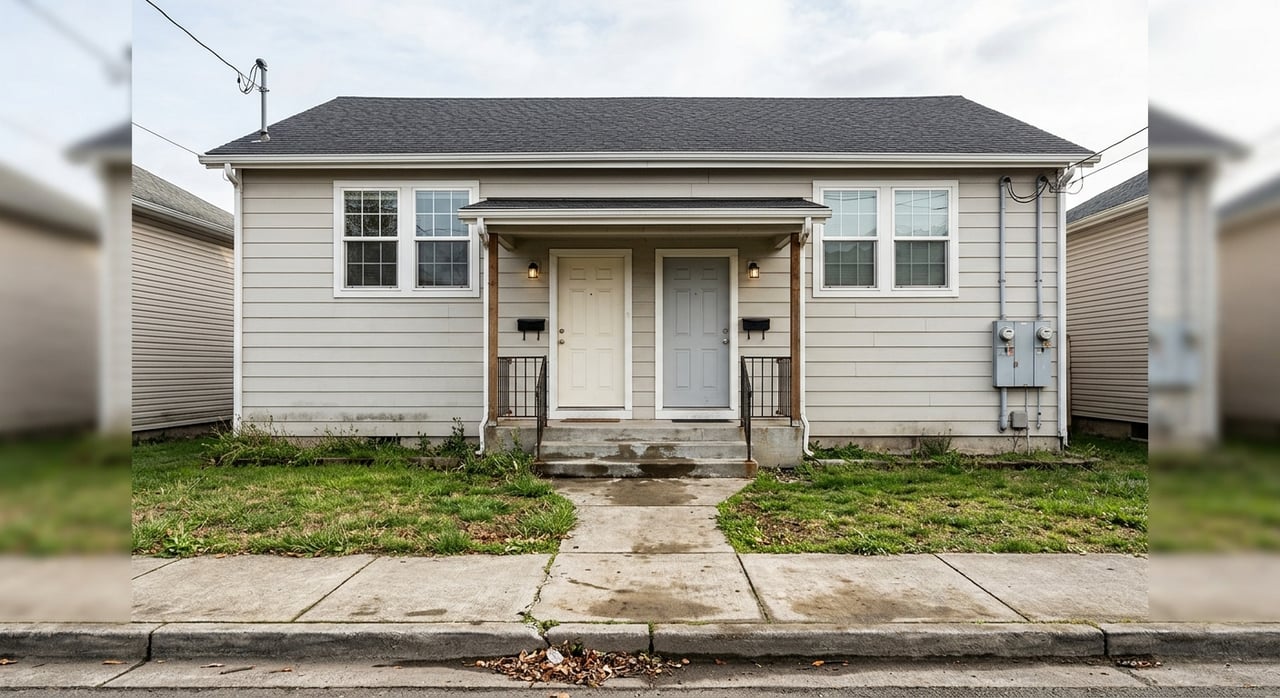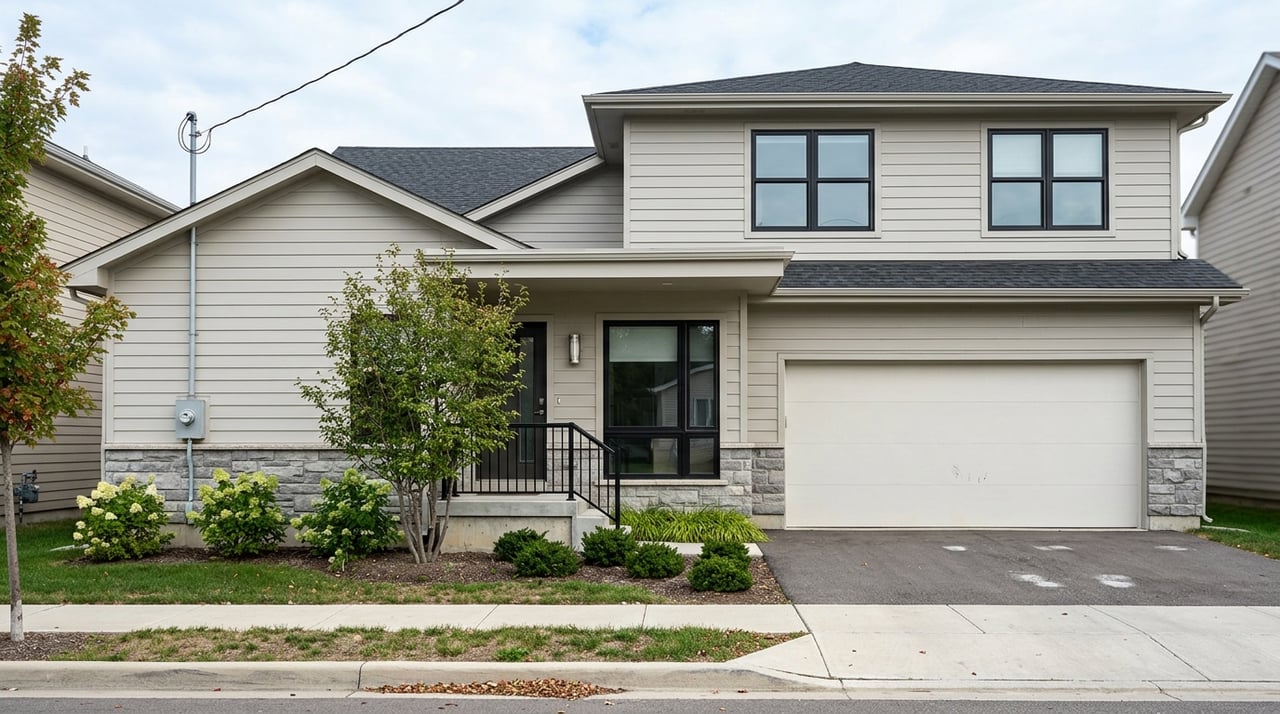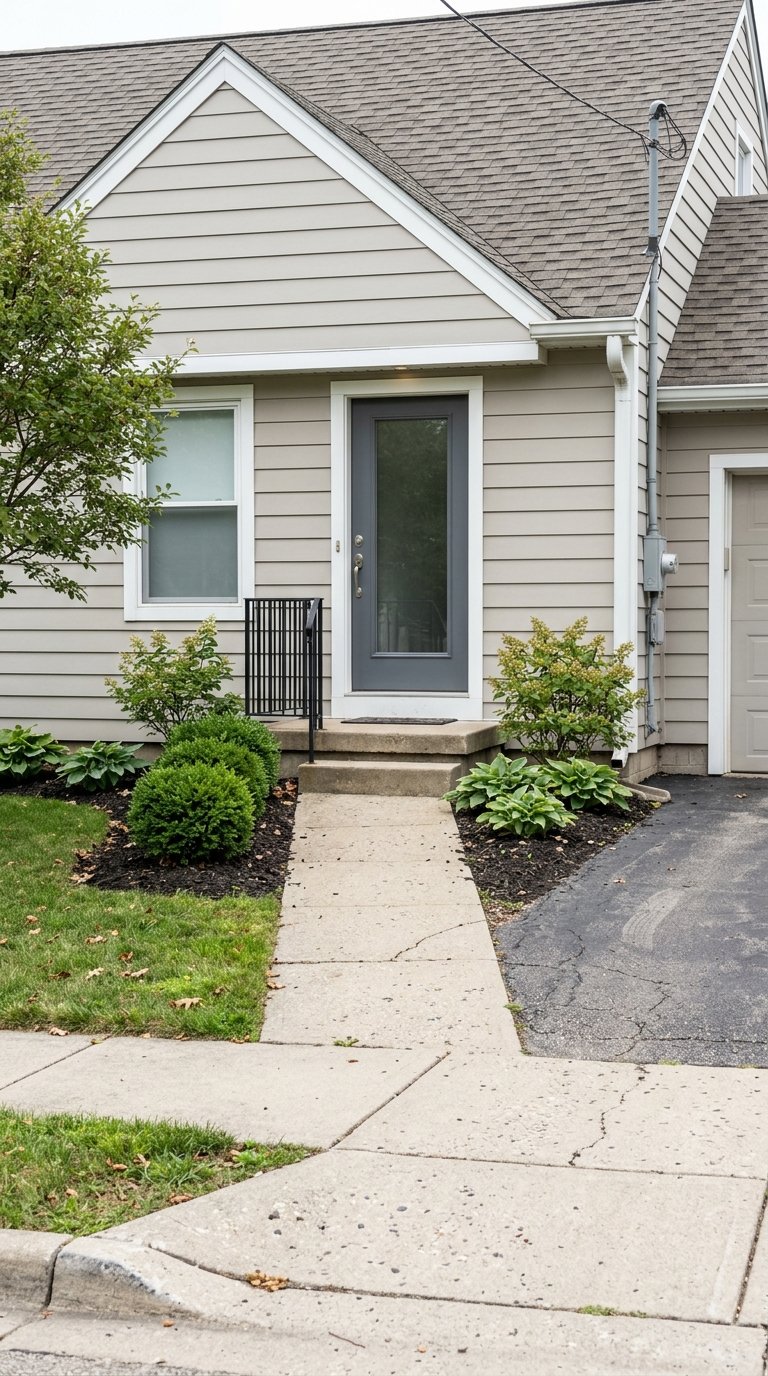
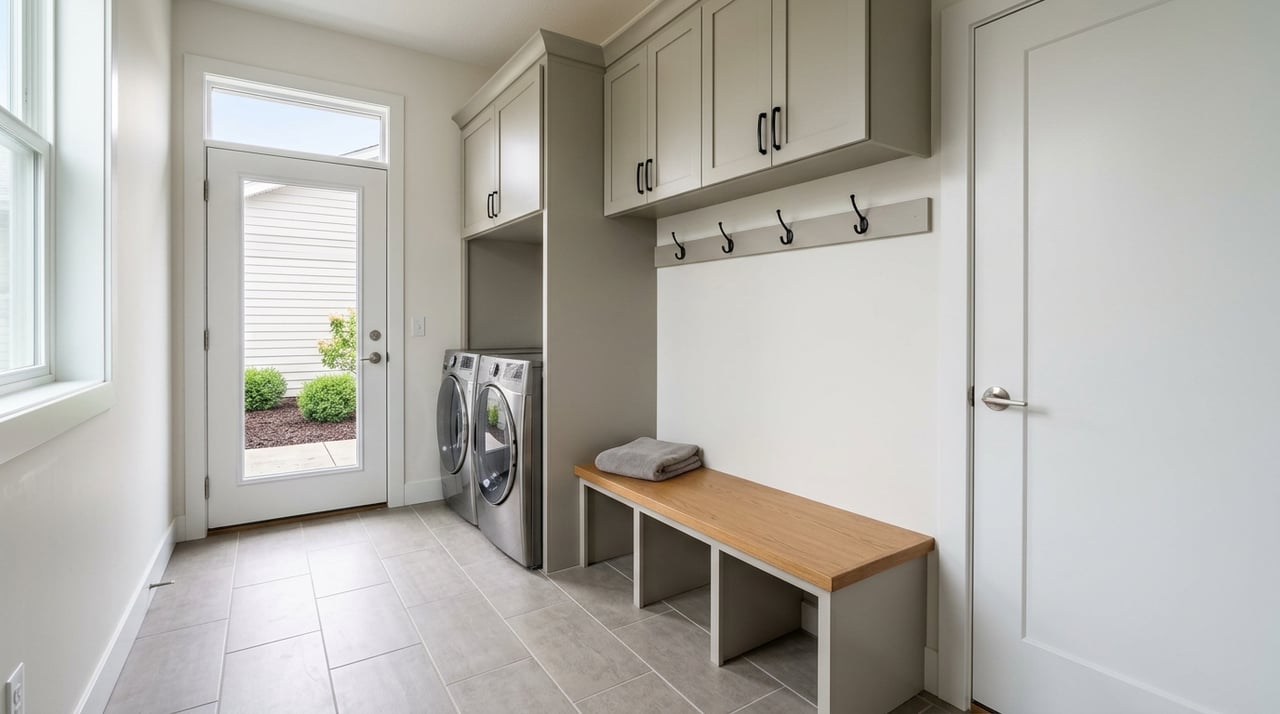
Thinking about buying a bigger home in Bergenfield while selling your current one? You are not alone, and you are probably also wondering how to line up the timing without creating extra stress or extra housing costs. The good news is that with the right plan, you can move up with more confidence, understand your options, and avoid common mistakes in a competitive local market. Let’s dive in.
Why Bergenfield Fits Move-Up Buyers
Bergenfield is the kind of place where many homeowners want to stay even when their space needs change. The borough had an estimated population of 28,754 in July 2025, with a 70.6% owner-occupied housing rate and a median household income of $130,045. Those numbers help explain why some households decide to look for a larger home nearby instead of leaving town.
The local housing profile also supports that move-up pattern. The median value of owner-occupied homes was $491,500, and median monthly owner costs with a mortgage were $3,140. If your household has grown or your needs have changed, it makes sense to explore whether a larger Bergenfield home can work with the equity you have built.
For many buyers, staying local also means keeping daily routines familiar. Bergenfield Public Schools includes five elementary schools, one middle school, and one high school, which gives you a clear sense of the borough’s school structure as you compare housing options within town.
What the Bergenfield Market Means for You
If you are trying to buy bigger and sell at the same time, market conditions matter. Over the three months ending May 2026, Bergenfield homes sold for a median price of $702,829, received about 3 offers on average, and sold after about 83 days on market. Redfin also reported a 105.3% sale-to-list ratio, with 63.5% of homes selling above list price.
What does that mean in plain English? You may be shopping in a market where strong offers still matter, even if homes are not flying off the market overnight. That combination can make timing tricky for move-up buyers because you may need your sale proceeds for the next purchase while also trying to compete for the right home.
This is where preparation becomes a real advantage. Knowing your budget, your likely sale timeline, and your backup options before you list can help you make better decisions when the right property appears.
Start With Your Budget and Equity
Before you tour bigger homes, take a close look at what your current home sale may contribute to your next purchase. CFPB notes that if you plan to use proceeds from selling one home to buy another, a settlement statement showing enough sale proceeds can be part of the closing process. In other words, your equity is not just helpful. It may be central to making the move work.
You also want to think beyond the down payment. NJDOBI says nonrecurring closing costs are often about 3% to 4% of the property price, and homeowner’s insurance is needed before closing. If your next home is more expensive, your new monthly payment, taxes, insurance, and closing costs all need to fit your post-sale budget.
If your next purchase will involve less than 20% down, CFPB says mortgage insurance is typically required. That added cost can affect what feels comfortable month to month, so it is smart to run the numbers early rather than stretching later.
Get Pre-Approved Before You List
One of the most practical first steps is getting pre-approved before your current home hits the market. NJDOBI says mortgage loan processing can take 30 to 90 days if a buyer has not been pre-approved. That timeline matters even more when you are trying to coordinate two transactions.
A pre-approval helps you understand your price range and move quickly when you find a home that fits. It also gives you a stronger foundation for deciding whether you need your home to sell first or whether you have enough flexibility to buy before closing on your current property.
For many Bergenfield move-up buyers, this step brings peace of mind. Instead of guessing, you can make decisions based on real numbers and realistic timing.
Should You Sell First or Buy First?
In many cases, selling first is the safer path. CFPB says that if you want to move, you normally try to sell your home before buying another one. In a market like Bergenfield, where homes can still draw multiple offers and sale prices often rise above list, selling first can reduce the risk of carrying two mortgages at once.
That does not mean there is only one path. Your best sequence depends on your savings, available equity, comfort level, and how much flexibility you have with move dates. Still, for many homeowners, selling first creates a clearer budget and lowers financial pressure.
If you are worried about finding your next place in time, planning ahead matters more than trying to predict the perfect week to move. The goal is not perfect timing. The goal is a workable, low-stress plan.
Use Contingencies Carefully
When you are buying and selling together, contract details become especially important. The FTC defines a contingency as a condition that must be met before a contract is legally binding, and purchase agreements commonly include financing details, closing dates, occupancy dates, and special contingencies.
For move-up buyers, a sale-of-current-home contingency may be one option to discuss if needed. CFPB also recommends making purchase offers contingent on obtaining financing and on a satisfactory inspection. If the contract is contingent on a satisfactory inspection, CFPB says you can cancel without penalty if the inspection results are unacceptable.
In a competitive market, contingencies need to be balanced carefully. Too many can weaken your offer, but skipping important protections can increase your risk. This is one of the biggest areas where local guidance can make a real difference.
Understand New Jersey Attorney Review
New Jersey has a local practice that every move-up buyer should understand. NJDOBI says that when a real estate licensee prepares the contract, the standard attorney-review clause gives both parties three business days after the fully signed contract is delivered to consult an attorney. During that time, the attorney can propose changes or disapprove the contract.
For you, that review window is more than a legal formality. It is the key time to refine contingency language, confirm closing dates, and work through occupancy timing. If you are trying to sell one home and buy another close together, those details can shape how smooth your move feels.
This is also why rushing into a contract without a clear game plan can backfire. A thoughtful offer structure can help protect your timeline and your budget.
Plan the Timing From Contract to Closing
Coordinating two closings takes more than hoping the calendars line up. NJDOBI says the contract should state the total price, down payment, estimated closing date, and when the buyer will take possession. Those terms are especially important when you are moving directly from one Bergenfield home to another.
CFPB also recommends researching closing-service providers early and thinking ahead about whether your contract has a specific closing deadline and whether you must vacate your current home by a certain date. Those questions may sound simple, but they can become major stress points if you wait too long to address them.
A final walk-through is also part of the planning process. NJDOBI says it should happen the day before settlement or closing. That gives you one last chance to confirm the home’s condition before the deal is completed.
If Timing Does Not Line Up Perfectly
Sometimes the sale of your current home and the purchase of your next one do not land on the same day. If you need access to equity before your sale closes, CFPB says a HELOC lets you draw against available equity, but it is a second mortgage and usually has a variable rate.
CFPB also defines a bridge loan as a temporary loan of 12 months or less used to finance a new home when you plan to sell your current home within 12 months. Both options can help solve a short-term timing gap, but both also add repayment risk.
That is why these tools should be modeled carefully. They can create flexibility, but they should fit your budget and your comfort level, not just help you win a house.
Do Not Overlook Insurance and Flood Costs
As you compare larger homes in Bergenfield, remember that purchase price is only one piece of the cost picture. NJDOBI says homeowner’s insurance is needed before closing, and insurance costs can vary depending on the property.
Flood risk also deserves early attention. Redfin says Bergenfield has a major flood risk, and about 9% of properties are likely to be severely affected by flooding over the next 30 years. CFPB advises buyers in higher-risk areas to get an informal insurance estimate before committing.
If you are moving up into a larger home, flood-related insurance costs can affect affordability just as much as the mortgage payment does. Getting that information early can help you avoid surprises later.
A Simple Move-Up Game Plan
If you want a practical path forward, start here:
- Review your current home equity and expected sale proceeds.
- Get pre-approved before listing your home.
- Build a realistic budget that includes closing costs, insurance, and possible mortgage insurance.
- List and market your current home with a clear timing strategy.
- Shop for your next home with financing and contingency plans in place.
- Use attorney review to fine-tune dates, contingencies, and occupancy terms.
- Confirm closing services and final move details early.
- Check insurance and flood-cost estimates before committing to a purchase.
Each move-up situation is a little different. But when you break the process into steps, it becomes much easier to manage.
Buying bigger in Bergenfield while selling your home is possible with the right strategy, realistic numbers, and careful timing. If you want local guidance on pricing your current home, understanding your options, and building a move-up plan that fits your goals, connect with Barbara Perez.
FAQs
How competitive is the Bergenfield housing market for move-up buyers?
- Bergenfield has been somewhat competitive, with a median sale price of $702,829, about 3 offers per home on average, a 105.3% sale-to-list ratio, and 63.5% of homes selling above list price in the three months ending May 2026.
Should you sell your current Bergenfield home before buying a bigger one?
- CFPB says people who want to move normally try to sell their home before buying another one, and that approach can help reduce the risk of carrying two mortgages at once.
Why does pre-approval matter when buying bigger in Bergenfield NJ?
- NJDOBI says mortgage loan processing can take 30 to 90 days if a buyer has not been pre-approved, so pre-approval can help you move faster and plan your timing more clearly.
What contingencies matter when buying a bigger home in Bergenfield?
- Common contingencies include financing, inspection, closing date, occupancy date, and in some cases a sale-of-current-home condition, depending on your needs and the terms that can be negotiated.
What is New Jersey attorney review in a Bergenfield home purchase?
- NJDOBI says that after a fully signed contract is delivered, both parties usually have three business days to consult an attorney, who can suggest changes or disapprove the contract.
Are flood and insurance costs important when moving to another Bergenfield home?
- Yes. Homeowner’s insurance is needed before closing, and because Bergenfield has a notable flood-risk profile, getting an early insurance estimate can help you understand the true monthly cost of a home.