Ready to cut your monthly housing cost and start building wealth in Linden? House hacking a two‑family can help you live in one unit while rent from the other offsets your mortgage and expenses. If you’re a first‑time buyer or a budget‑savvy mover eyeing Union County, you’re not alone. In this guide, you’ll learn how house hacking works in Linden, what financing paths are available, the local rules to know, and how to estimate rent and cash flow before you buy. Let’s dive in.
What house hacking means in Linden
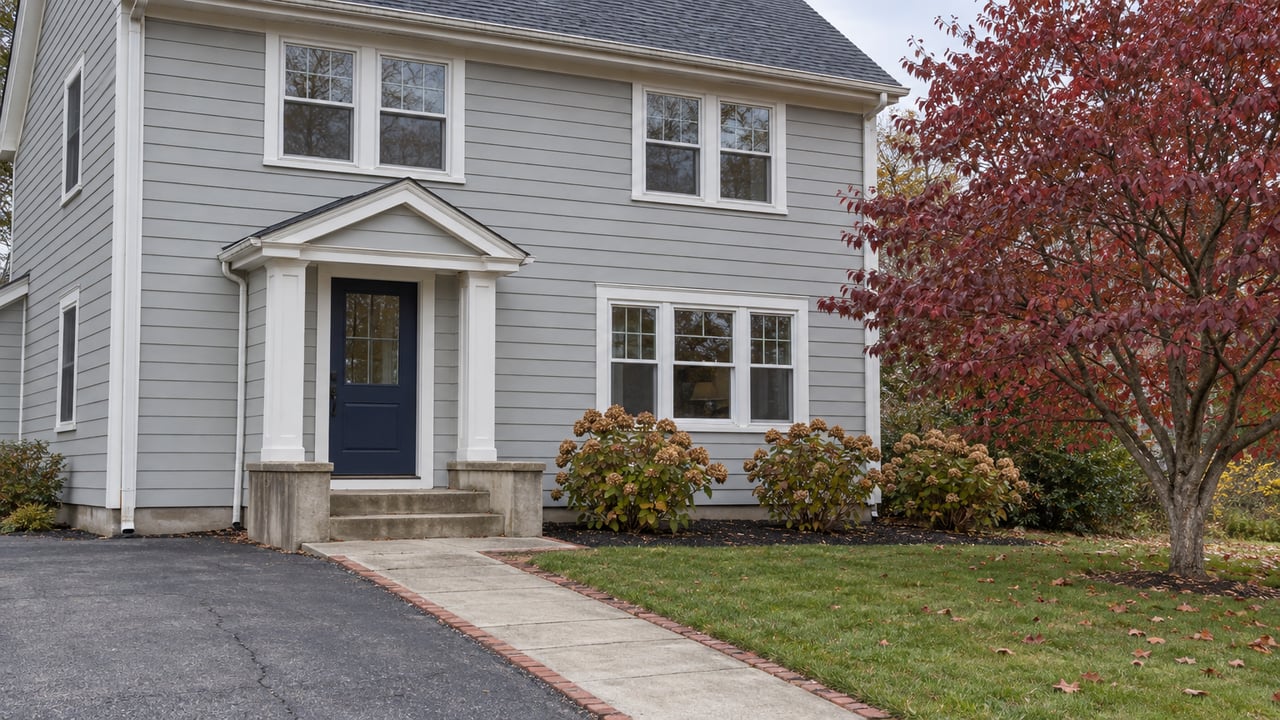
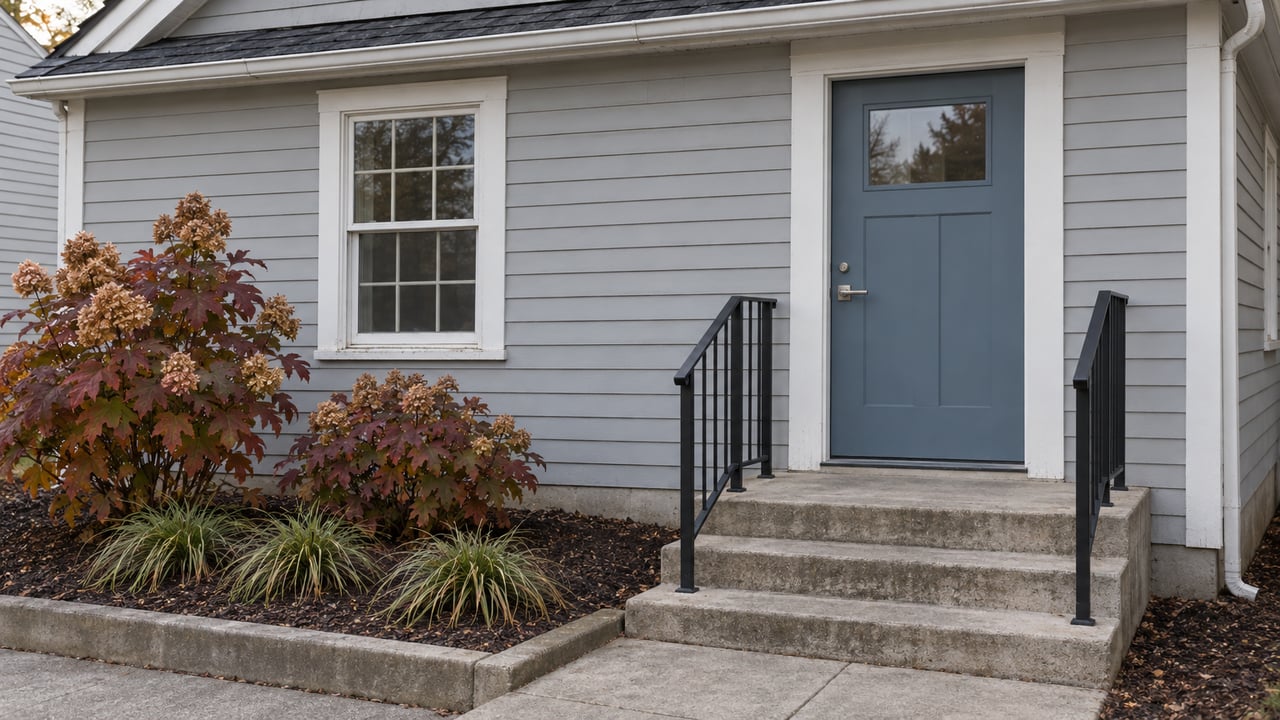
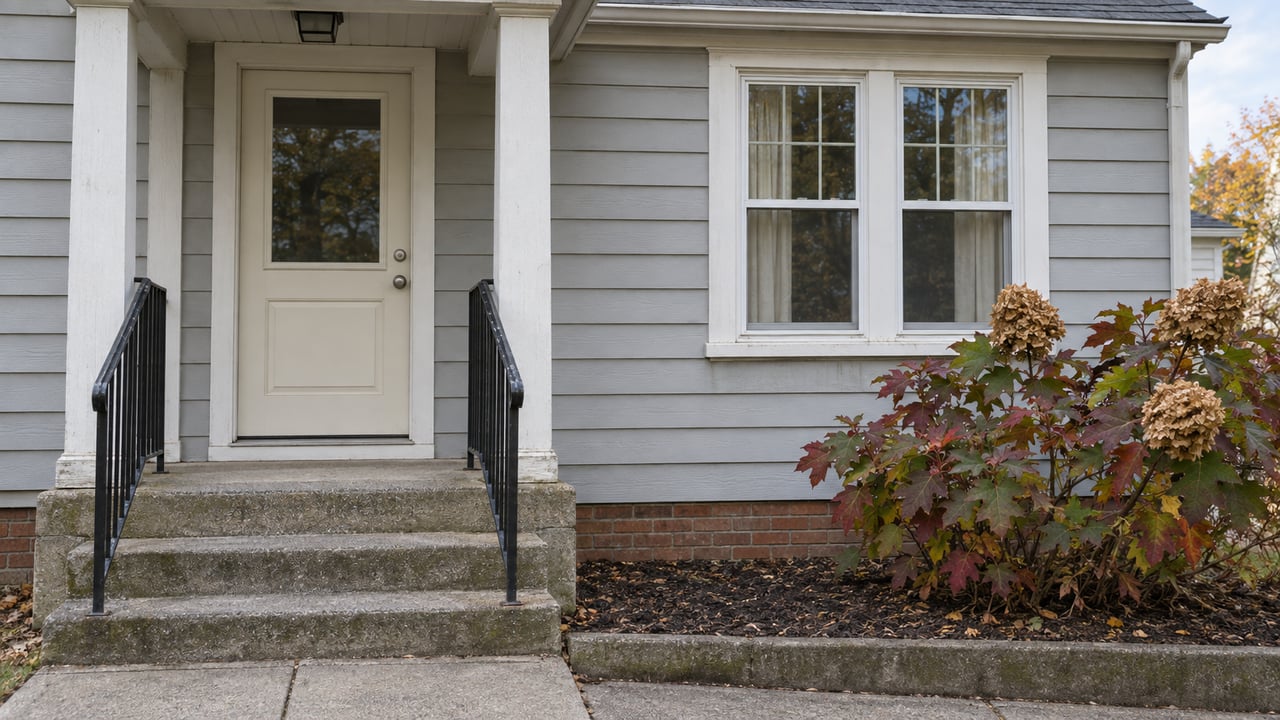
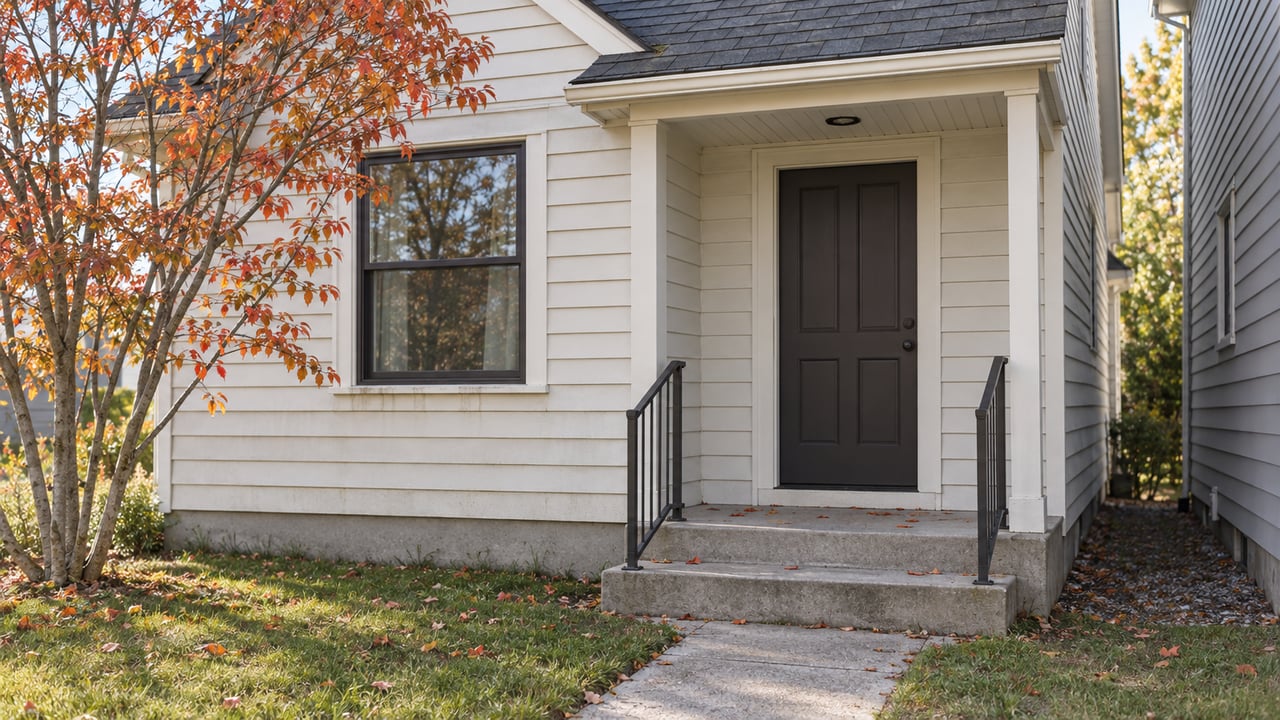
House hacking a two‑family means you purchase a duplex, occupy one unit as your primary home, and rent the other to help pay the bills. In Linden, this strategy appeals to buyers who want lower monthly costs, faster equity growth, and long‑term flexibility. Because local rules and taxes affect cash flow, it’s important to plan with Linden‑specific information.
Before you write an offer, verify legal status and rental requirements with the City of Linden. Start with the City of Linden Building Department to confirm what is required to rent a unit and to check the property’s use classification.
Financing options for an owner‑occupied duplex
Financing a two‑unit you’ll live in is different from buying an investment property. Here are common paths and what to expect.
FHA loan
- FHA insures mortgages on 1–4 unit primary residences, which makes it a popular entry point.
- Many buyers qualify with a typical 3.5% down payment, subject to current FHA rules and lender overlays.
- FHA appraisals look closely at health and safety; some repairs may need to be completed before closing.
- Learn more from the HUD single‑family overview.
VA home loan (for eligible veterans)
- VA allows eligible buyers to purchase 2–4 unit properties and occupy one unit.
- Many VA loans offer zero down, with program occupancy requirements.
- Review details at the VA home loan program.
Conventional mortgage
- Conventional loans can finance 2‑unit primary residences with varying down payments and mortgage insurance.
- Underwriting can be stricter than for single‑family homes, including reserves and credit standards.
- Check county loan caps through the FHFA conforming loan limits map for Union County.
Renovation options
- If the property needs work, FHA 203(k) or Fannie Mae’s HomeStyle Renovation can finance repairs as part of your loan.
- These programs require contractor bids and an appraisal that considers the after‑repair value.
Down payment assistance in New Jersey
- New Jersey offers homeownership and down payment assistance programs that may be compatible with owner‑occupied multiunit purchases.
- Explore programs through NJ Housing and Mortgage Finance Agency.
Quick lender checklist
- Confirm the program allows 2‑unit owner‑occupied properties and review occupancy timing.
- Ask about minimum down payment, mortgage insurance, and required cash reserves.
- Clarify appraisal and property condition requirements.
Linden compliance, codes, and legal basics
Buying a two‑family and renting one unit triggers local and state rules. Plan for these early to avoid delays.
Certificates and registrations
- Certificate of Occupancy or rental certificate: Many towns require a CO or rental inspection before a unit can be leased. Confirm Linden’s current process, fees, and timing with the City of Linden Building Department.
- Rental registration and periodic inspections: Some New Jersey municipalities require registration and recurring inspections. Failing to comply can jeopardize your ability to rent.
Safety and habitability
- Landlords must meet state and municipal habitability standards for smoke and carbon monoxide detectors, egress, heating, electrical, and plumbing.
- Review landlord‑tenant guidance and building standards via the New Jersey Department of Community Affairs.
Lead paint rules
- For housing built before 1978, federal law requires disclosure of known lead hazards, and certain renovation work must follow EPA RRP rules.
- Learn more about safe renovation from the EPA lead program.
Security deposits and leases
- New Jersey sets rules for collecting, holding, and returning security deposits and for required notices.
- Use state resources at the New Jersey DCA to align your lease and deposit practices with current law.
Fair housing and anti‑discrimination
- You must comply with federal fair housing laws when advertising, screening, and selecting tenants.
- Review your obligations with HUD’s fair housing guidance and consult state resources for New Jersey protections.
Evictions
- Evictions follow state court procedures. For current processes and forms, review the New Jersey Courts.
Estimate rent and run the numbers
You want realistic, local rent assumptions and a conservative budget. Here’s how to estimate Linden rents and cash flow.
How to estimate market rent
- Identify comparable units in Linden by bedroom count, bath count, and condition.
- Build a rent range using several sources and current listings. Consider adjustments for utilities included, parking, and proximity to transit or major employers.
- Cross‑check national benchmarks with HUD Fair Market Rents for the Newark‑Jersey City‑Paterson area to sanity‑check your range.
A simple cash‑flow framework
- Gross scheduled rent: monthly rent of the rented unit times 12.
- Vacancy allowance: plan 5–10% of gross rent.
- Effective gross rent: gross rent minus vacancy allowance.
- Operating expenses: property taxes, insurance, utilities you pay, routine maintenance, management, and any HOA fees. In Union County, property taxes can be a major line item, so price them carefully.
- Net operating income (NOI): effective gross rent minus operating expenses.
- Debt service: monthly mortgage principal and interest. If your taxes and insurance are escrowed, account for them in your mortgage payment.
- Cash flow: NOI minus debt service.
Helpful rules of thumb
- 1% rule: monthly rent equal to about 1% of the purchase price is a quick screen. In higher‑cost North Jersey markets, this is rarely achieved, so dig into a full analysis.
- Gross Rent Multiplier (GRM): purchase price divided by annual gross rent for quick comparisons.
- Reserves: lenders may require months of payments in reserve for 2‑unit loans. Keep extra cash for repairs, turnovers, and surprises.
Screening tenants and managing your duplex
When you live next to your tenant, clear boundaries and consistent processes matter.
Screening best practices
- Create written, consistent criteria for income, credit, rental history, and lawful background checks.
- Verify identity, income, and rental references. Use a written application with authorization for credit and background screening.
- If you deny an applicant based on a consumer report, provide required notices under the Fair Credit Reporting Act.
- Follow federal rules and New Jersey protections when screening and advertising. Start with HUD’s fair housing resources and the New Jersey DCA.
Lease terms that prevent friction
- Use a clear, state‑specific lease that defines utilities, maintenance, parking, access, and guest or subletting rules.
- If you share walls or spaces, include quiet hours, storage, and snow or yard care expectations.
- Keep communication professional. Document notices and requests to protect both parties.
Self‑manage or hire help
- Many owner‑occupants self‑manage to save cost. Be prepared to handle maintenance, legal compliance, and tenant communication.
- Property managers often charge 8–12% of monthly rent. For some owners, professional management helps with compliance and tenant relations.
Common pitfalls to avoid
- Skipping municipal verification: If a unit lacks a valid CO or registration, you may not be able to rent it right away. Confirm with the City of Linden Building Department before you close.
- Overestimating rent: Use multiple sources and verify with HUD FMRs for a reality check.
- Underestimating repairs: FHA and some conventional lenders require safety‑related repairs before closing. Build time and budget for improvements.
- Ignoring legal steps: Security deposits, disclosures, fair housing rules, and court procedures matter. Start with the New Jersey DCA and New Jersey Courts to stay compliant.
Your step‑by‑step checklist
- Confirm allowability: Verify the building is legally a two‑family and check CO and rental registration requirements with Linden.
- Talk to a lender: Get preapproved for a 2‑unit owner‑occupied loan and confirm down payment, mortgage insurance, reserves, and occupancy rules. Use the FHFA loan limits map to understand conventional caps.
- Compare loan types: Review HUD’s FHA overview and the VA home loan program if eligible.
- Explore assistance: See NJ HMFA programs for possible down payment help.
- Pull rent comps: Use multiple sources and spot‑check with HUD FMRs.
- Budget conservatively: Include taxes, insurance, utilities, maintenance, management, and vacancy.
- Inspect thoroughly: Hire a qualified inspector. For pre‑1978 homes, understand EPA lead‑safe rules and required disclosures.
- Lock in compliance: Align your lease and screening process with New Jersey DCA guidance and fair housing rules.
Ready to explore Linden duplex opportunities?
If you want to live for less and build equity in Union County, house hacking a two‑family can be a smart move. You deserve clear guidance on financing, Linden compliance, and rent potential so your first month in the home goes smoothly. I can help you compare options, connect with lenders, and map out a realistic plan in plain English or Spanish.
Questions about a specific property or neighborhood in and around Linden? Reach out to Barbara Deleon Perez for a friendly, expert consultation tailored to your goals.
FAQs
What is house hacking a two‑family in Linden?
- It means buying a duplex, living in one unit as your primary residence, and renting the other to help offset your mortgage and expenses.
Which loans allow owner‑occupied duplexes in New Jersey?
- FHA, VA (for eligible veterans), and many conventional loans allow 2‑unit primary residences, each with specific down payment, occupancy, and reserve rules.
How do I confirm if a Linden duplex is legally rentable?
- Contact the City of Linden Building Department to verify use classification, required certificates, and any rental registration or inspection program.
Where can I find rent benchmarks for Linden’s area?
- Use multiple local comps and cross‑check with HUD Fair Market Rents for the Newark‑Jersey City‑Paterson metro to frame a realistic range.
What safety and disclosure rules apply to older Linden homes?
- Pre‑1978 homes require federal lead‑based paint disclosure, and certain renovations must follow EPA lead‑safe practices.
What does New Jersey require for security deposits and leases?
- New Jersey sets rules for collecting, holding, and returning deposits and for notices; check current guidance with the New Jersey DCA.
Where can I learn about New Jersey eviction procedures?
- Review the most current process and forms through the New Jersey Courts, and consider professional advice for your situation.