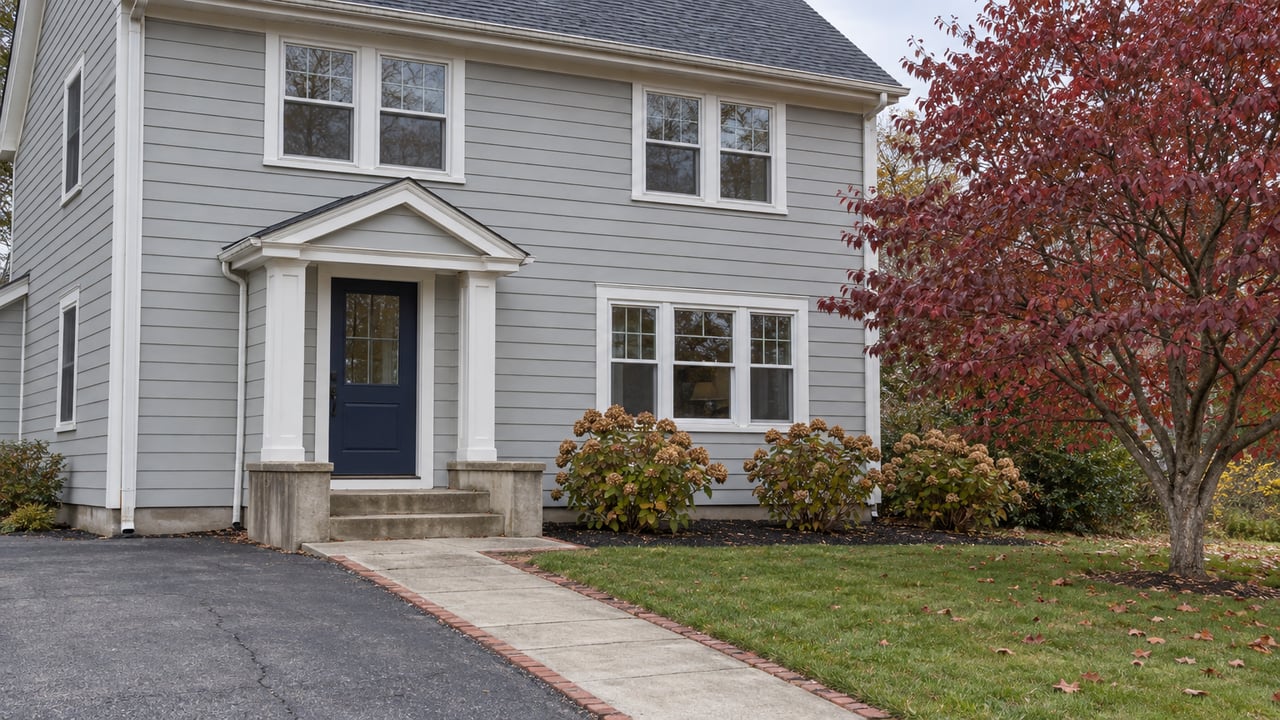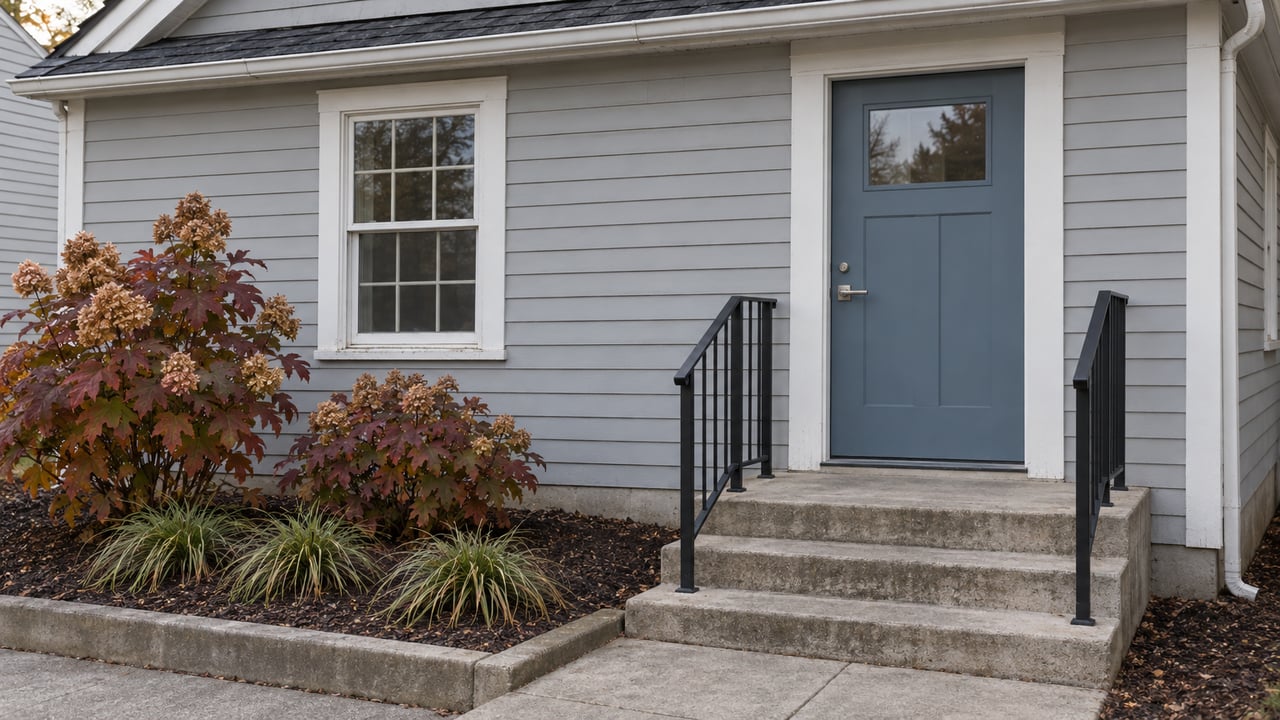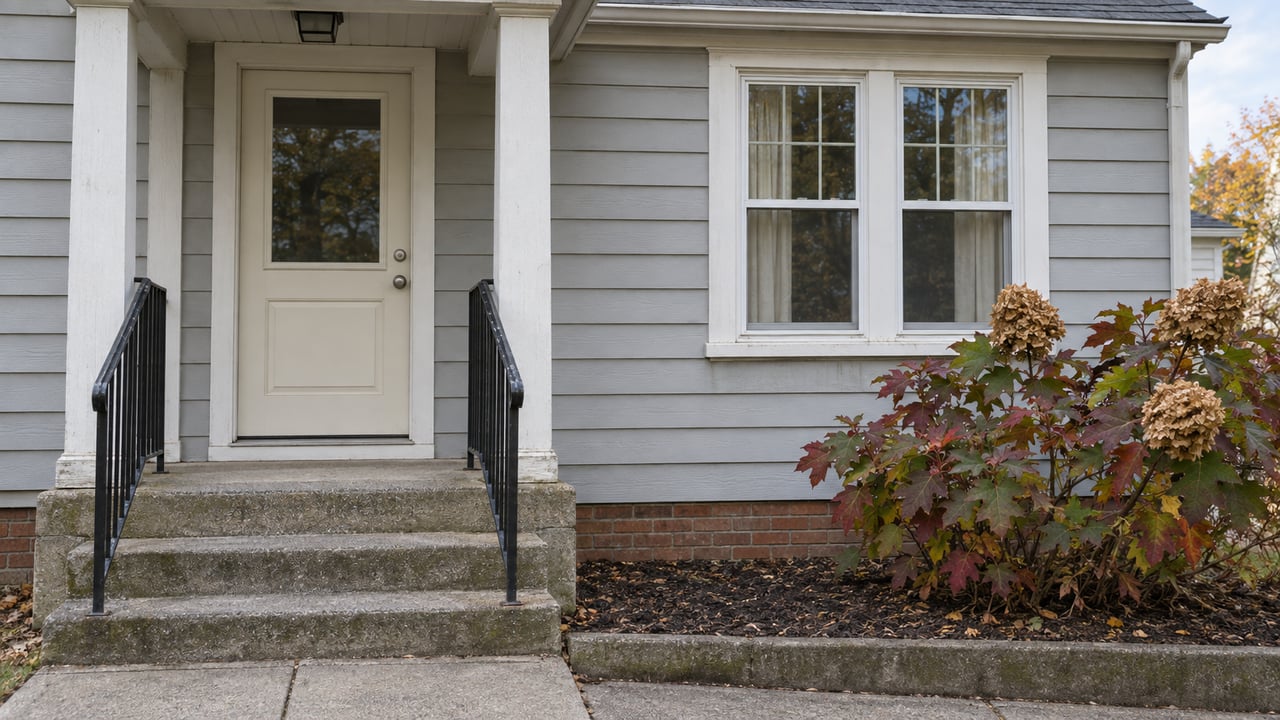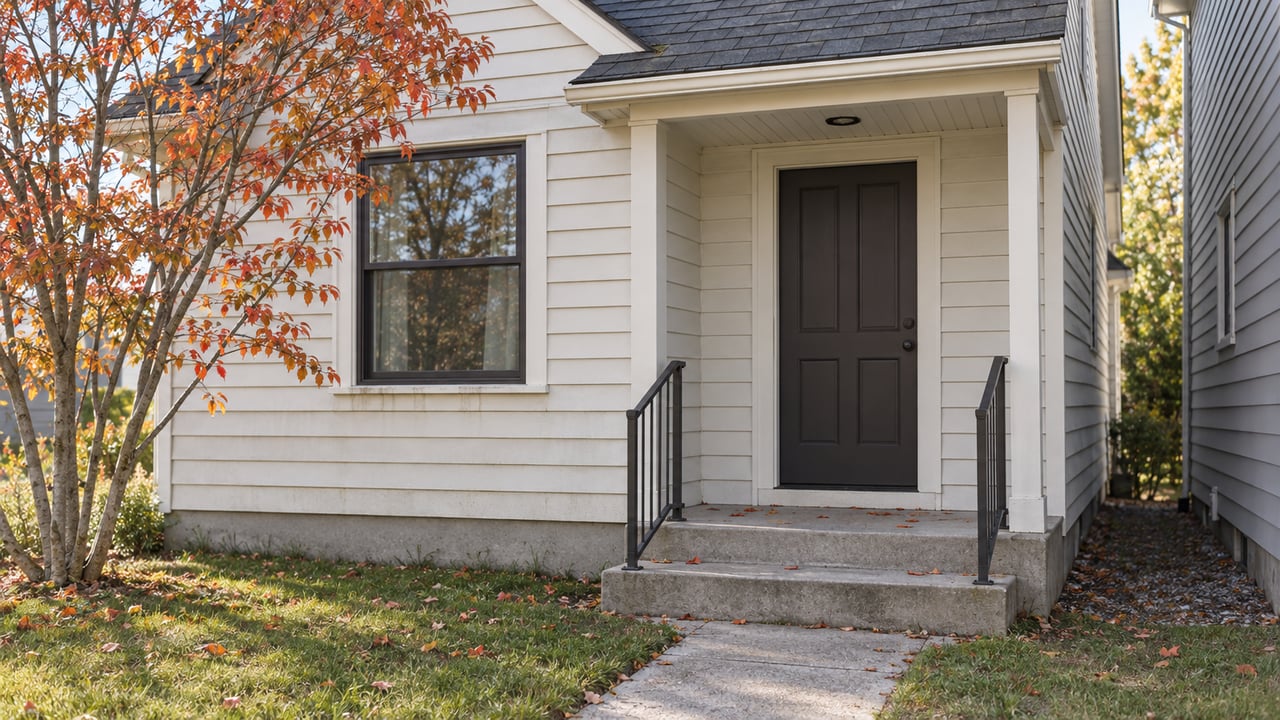
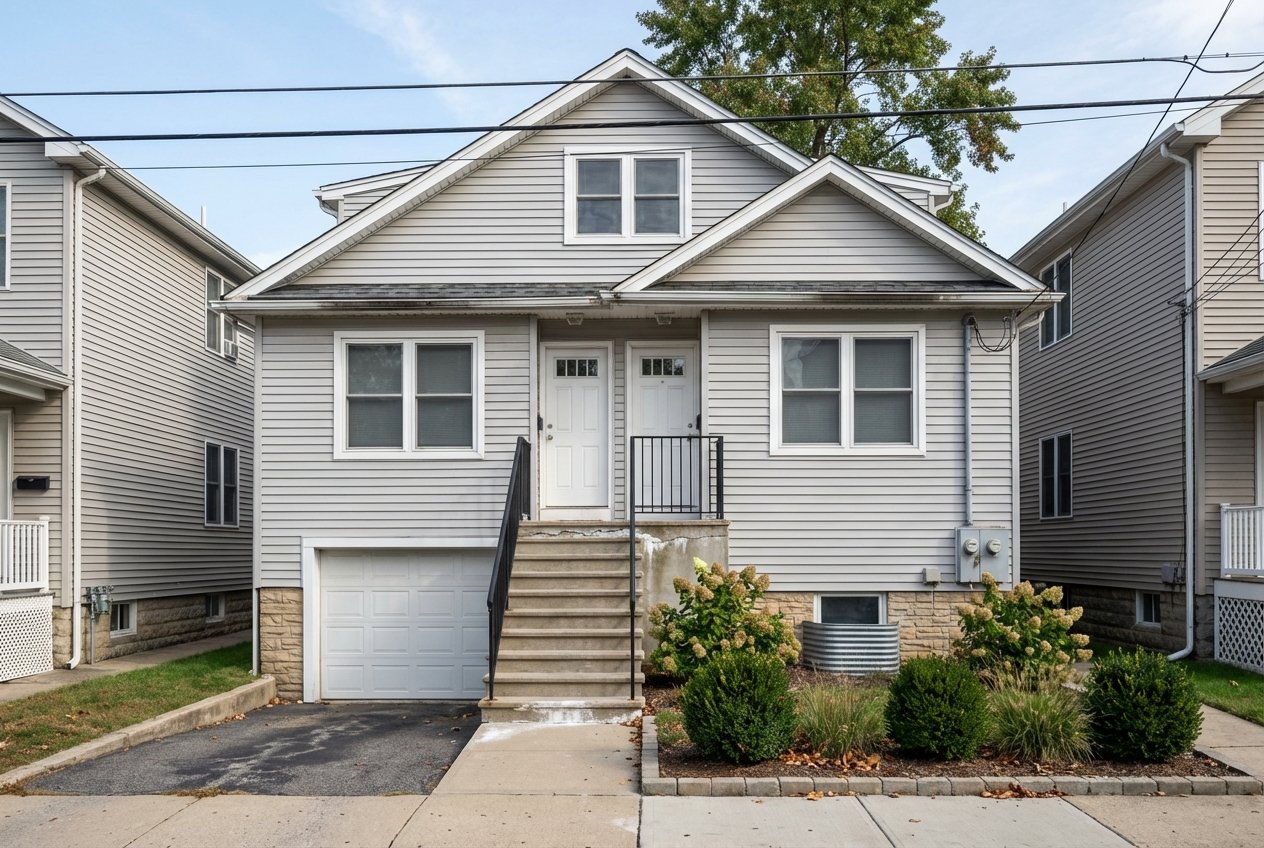
Thinking about buying a duplex or triplex in North Bergen so you can live in one unit and let the other help pay the mortgage? You are not alone. With quick transit to Manhattan and a strong renter base, North Bergen is a practical place to start small. In this guide, you will learn what typical buildings cost, how to size up rents and returns, which loan paths fit 1–4 units, and the key checks to make before you write an offer. Let’s dive in.
Why North Bergen works for small multifamily
Big renter pool and easy NYC access
North Bergen is renter heavy, which supports steady leasing. The latest estimates show about 41.3% of homes are owner occupied, so roughly 58 to 59% are renter occupied. You can confirm this trend in the township’s profile on the Census QuickFacts tool from the U.S. Census Bureau. That deep tenant pool is paired with convenient transit. The Hudson Bergen Light Rail’s Tonnelle Avenue station anchors local access, and many residents commute to Manhattan. For a quick overview of the light rail system, review the Hudson Bergen Light Rail overview on NYCSubway.org.
- Renter share source: U.S. Census QuickFacts
- Transit overview: Hudson Bergen Light Rail summary
Prices, rents, and return expectations
On the rent side, current listings suggest one bedroom units commonly advertise in the low to mid $2,000s per month, and two bedrooms in the low to mid $3,000s. Use multiple rent trackers to confirm for your block. See current rent trend snapshots at Apartments.com for North Bergen.
On the price side, two family homes often list from about the mid $600,000s up to over $1 million depending on size, parking, and condition. Three family buildings and locations close to transit or waterfront typically command a premium. You can browse current small multifamily listings to see examples at Homes.com.
Across Hudson County, stabilized small multifamily assets often trade at low single digit cap rates, especially near Manhattan facing locations. Value add opportunities can pencil stronger. See recent market evidence summarized in Yield PRO’s coverage of regional sales.
- Rent trends: North Bergen market rents
- Listing examples: North Bergen small multifamily for sale
- Cap rate context: Hudson County sales snapshot
What you will see on the market
Typical property types
You will mostly see legal two family and three family houses, brick walk ups, and mixed age masonry buildings. Some single family homes have legal accessory units. Newer waterfront condos exist, but those are usually not the small multifamily play.
Price drivers to watch
- Unit count and bed bath mix
- Parking and lot size
- Condition and recent capital improvements
- Proximity to bus lines or the light rail
Use active MLS comps for gross rent multiplier and cap rate benchmarks. Single family comps can mislead because investor pricing follows income more closely.
Two buying paths for 1–4 units
Path 1: Owner occupant house hack
If you plan to live in one unit, FHA financing can be powerful for 1–4 unit properties. FHA allows lower down payments and can count projected rent from the other units under program rules. Owner occupants generally need to move in within 60 days and intend to live there for one year. Review details in the FHA Single Family Housing Policy Handbook from HUD.
- Program reference: HUD Handbook 4000.1
Pros:
- Lower down payment and flexible income treatment
- Potentially better interest rate than investor loans
- Live in one unit while tenants help cover costs
Considerations:
- Mortgage insurance adds to monthly cost
- For 3–4 units, a self sufficiency test may apply
- You must meet occupancy rules
Path 2: Investor purchase
If you will not live in the building, conventional and portfolio or DSCR style loans are common. Conventional investor loans often require larger down payments and conservative debt to income assumptions. DSCR lenders underwrite mainly to property income and may set a minimum debt service coverage ratio.
Pros:
- Flexible ownership structure and use
- DSCR can be simpler on documentation
Considerations:
- Higher down payment and reserves
- Potential prepayment penalties and rate add ons
Smart questions to bring to your lender
- Will you count projected rent, and how is it verified? Appraiser schedule or actual leases?
- What vacancy factor will you use when counting rent?
- What are the down payment, mortgage insurance, and reserve requirements for 2, 3, and 4 unit properties?
- What are the occupancy rules for owner occupied loans and the minimum time you must live there?
- Can title be transferred to an LLC after closing and what happens to the rate or terms if it is?
You can find FHA program details in the HUD Handbook 4000.1. For a quick refresher on down payment norms for investors, review widely cited mortgage trade guides.
How to run the numbers in North Bergen
Before you fall in love with a building, test a quick model. Here is a simple example using a two family at a sample price. Update these figures to match the specific address and your lender’s terms.
Example assumptions
- Purchase price: $900,000 (two families often list about $650,000 to $1.3 million in this area)
- Market rents: Unit A $3,000 per month, Unit B $3,000 per month. Gross rent $6,000 per month or $72,000 per year. See rent trend data for confirmation at Apartments.com.
- Vacancy allowance: 5%. Effective gross income about $68,400.
- Expenses estimate: property taxes at a Hudson County planning figure near 1.6 to 1.9% of value. Using 1.67% as a placeholder equals about $15,030 per year. Insurance $2,500. Management fee 8% of collected rent about $5,760. Maintenance and reserves $3,600. Utilities and other $1,500. Always verify the actual tax bill and insurance quotes.
Quick metrics
- Gross Rent Multiplier (GRM) = price divided by annual gross rent. At these figures, GRM is about 12.5. Learn more about GRM from J.P. Morgan’s explainer on screening metrics.
- Net Operating Income (NOI) = effective gross income minus operating expenses. Here, NOI is about $40,010.
- Cap rate = NOI divided by price. About 4.4% in this example, which aligns with the low single digit cap rates seen for stabilized assets in Hudson County.
Reference: What is GRM
Debt service and cash flow view
If you finance 75% at 6% over 30 years, annual principal and interest is roughly $48,564. With an NOI near $40,010, that produces negative before tax cash flow of about $8,554. That is why many buyers improve the numbers by:
- Living in one unit to access owner occupied pricing and potentially lower monthly costs
- Renovating to increase rent and reduce repairs
- Improving energy efficiency to cut utilities if you pay common area or owner meters
- Increasing down payment or shopping lender terms
Local rules, taxes, and expenses to plan for
Property taxes
Property taxes are meaningful in your cash flow. Hudson County’s effective rates often fall around 1.6 to 1.9% of market value in recent tables. Use the county assessor to verify the exact bill for the parcel and test your underwriting with a realistic figure. See current county level comparisons at the Tax Foundation.
- Planning reference: Property tax by state and county
Rent control and registrations
Parts of North Bergen are subject to local rent control and registration rules. Always verify whether the building is registered, what the current lawful rent is, and how increases work. The township maintains guidance and contacts on its Rent Control page.
- Local resource: North Bergen Rent Control
Flood risk and insurance
Check the FEMA Flood Map for the exact address. Flood zones can require separate flood insurance, which affects both lender approval and your expenses.
- Parcel lookup: FEMA Flood Map Service Center
Safety, lead, and compliance
For pre 1978 buildings, be sure you receive the federally required lead based paint disclosure and consider a lead hazard assessment, especially if you expect turnover. Confirm smoke and carbon monoxide detector compliance and any township certificates required on change of occupancy. These items protect tenants and reduce liability.
Key inspections and document checks
Order inspections and document pulls early so you can negotiate repairs or walk away if major issues appear. Focus on:
- Certificate of Occupancy and legal unit count. Confirm the number of legal units on the lot and whether any conversions are permitted.
- Separate utilities. Verify electric and gas meters, breaker panels, heating systems, and hot water setups for each unit. Shared systems change who pays what and your expense line.
- Roof, structure, and moisture. Older masonry buildings may need roof work, waterproofing, or window upgrades.
- Oil tanks and USTs. Ask about prior tank sweeps and any environmental closeouts.
- Fire safety. Confirm working smoke and CO detectors and any required municipal compliance certificates.
Choosing a property manager
If you will not self manage, interview local managers before you close. Ask for written answers and references.
- Fees. What is the monthly management fee, leasing fee, and any maintenance markup? National snapshots show many small multifamily fees fall in the 6 to 10% of collected rent range for management. See DoorLoop’s industry summary for context.
- Leasing. How do they market rentals and what is their average vacancy period in North Bergen? Can they provide bilingual leasing and tenant support?
- Accounting. How are rents collected, how are late fees handled, and when are owner draws sent each month?
- Maintenance. Who performs routine work and how are large capital projects managed and bid?
- Compliance. Will they manage municipal registrations and rent control filings if applicable?
Industry context: Property management fee ranges
Your next steps
- Get preapproved. Talk with a lender about owner occupied FHA versus investor loan options and confirm down payment, reserves, and how rental income will be counted.
- Research rents. Pull current comps for your target unit sizes. A quick scan of trend data at Apartments.com helps, but confirm with on the ground listings.
- Underwrite three ways. Test numbers as an owner occupant, as an investor loan, and as a value add plan with realistic rent bumps after improvements.
- Check local rules. Call the North Bergen Rent Control office to confirm status for the building you are considering.
- Verify taxes and insurance. Use the actual tax bill if available and request early insurance quotes, including flood if required.
- Inspect everything. Order full home and pest inspections, tank sweep as needed, and review the Certificate of Occupancy file at the township.
- Build your team. Line up a bilingual property manager and contractors if you plan to renovate units between tenants.
Ready to run the numbers on a specific duplex or three family and see if it fits your goals? Reach out to Barbara Deleon Perez for a bilingual, local plan tailored to North Bergen. Vamos paso a paso and make a confident investment.
FAQs
What makes North Bergen attractive for small multifamily investors?
- A large renter share, steady NYC oriented transit access, and a broad mix of legal two and three family buildings create reliable leasing and varied price points.
What are typical rents for 1 and 2 bedroom units in North Bergen?
- Current listings often show one bedrooms in the low to mid $2,000s and two bedrooms in the low to mid $3,000s, based on trend snapshots at Apartments.com.
What cap rates should I expect in Hudson County for stabilized small multifamily?
- Recent market evidence points to low single digit cap rates for stabilized, well located assets, with higher cap rates possible on value add deals, as noted in Yield PRO’s regional sales coverage.
How does FHA financing work if I live in one unit of a duplex?
- FHA can allow a lower down payment and count projected rent from the other unit under program rules, but you must meet occupancy requirements. See the HUD Handbook 4000.1 for details.
How do I check if a North Bergen property is rent controlled?
- Contact the township and review its guidance on the North Bergen Rent Control page to confirm registration status, lawful rent, and any limits on increases.
How should I estimate property taxes in my underwriting?
- Use the actual tax bill when available, or plan with Hudson County effective rates around 1.6 to 1.9% as a starting reference and refine after you verify with the assessor, using the Tax Foundation’s county comparisons.
Do I need to check flood zones for North Bergen multifamily?
- Yes. Use the FEMA Flood Map Service Center to look up the exact address, since flood zones can trigger insurance requirements and affect loan approval and expenses.