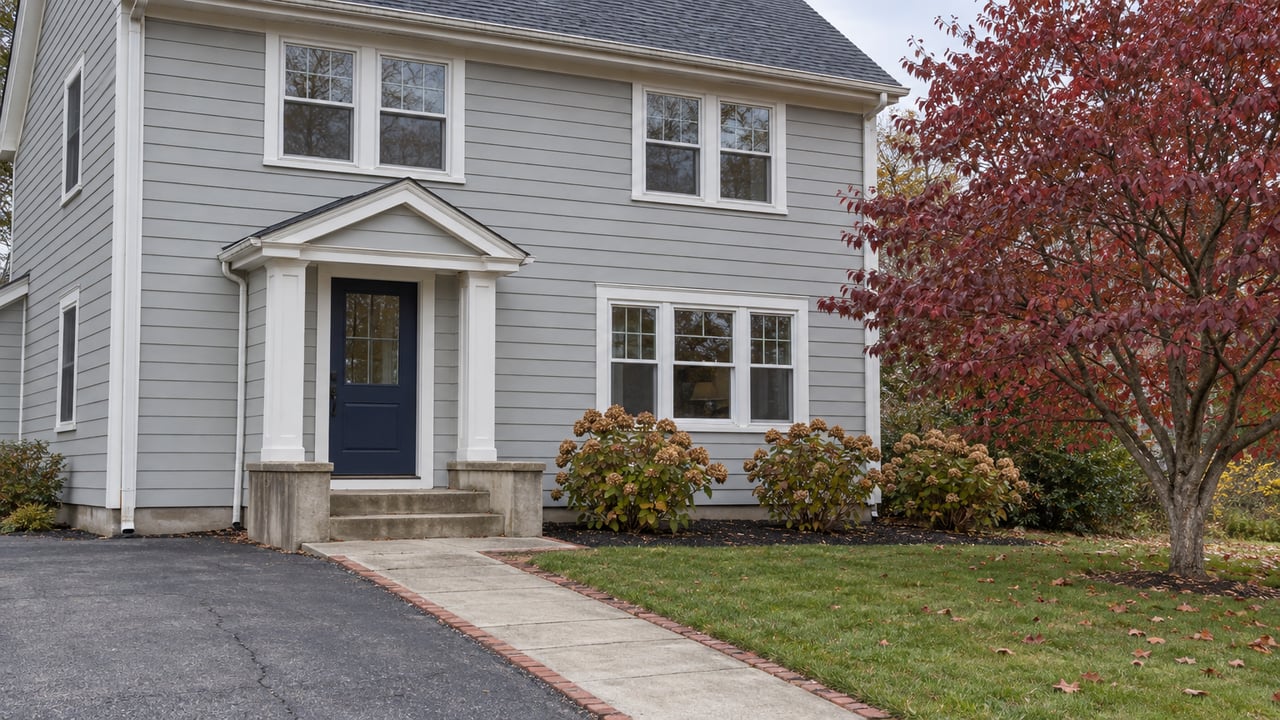

Buying in Bergenfield is exciting, but the final question is always the same: how much will you actually pay at closing? If you are planning for a single-family home, condo, or even a co-op, understanding closing costs early can help you budget, compare lenders, and avoid last-minute stress. In this guide, you will learn what buyers and sellers typically pay in Bergen County, how condos and co-ops change the numbers, and the exact steps to get your precise figures. Let’s dive in.
What closing costs cover in Bergenfield
Closing costs are the fees, taxes, and prepaids you owe at settlement in addition to your down payment. On the buyer side, you see lender fees, title and recording charges, prepaids for taxes and insurance, and any condo or co-op items. Sellers usually pay the brokerage commission, the New Jersey Realty Transfer Fee, and their own attorney and closing charges.
In New Jersey, some items are set by the state while others are local to Bergen County or your association. The exact total depends on your loan type, timing, and property type.
Buyer closing costs: what to expect
Lender charges
- Loan origination, underwriting, processing, and application or credit report fees.
- Discount points, if you choose to buy down your rate.
- Any rate lock or special program fees.
You receive a Loan Estimate within 3 business days of applying for a mortgage. It outlines these charges so you can compare lenders.
Appraisal
- Most mortgages require an appraisal. You may pay this upfront or at closing.
Title and closing services
- Title search and examination, settlement or closing fee, and document prep.
- Lender’s title insurance is required by your lender.
- Owner’s title insurance is optional but strongly recommended. It is a one-time premium based on your purchase price.
Recording and county fees
- Bergen County charges to record your deed and mortgage. Fees vary by document and page count and are set by the county schedule.
Prepaids and escrows
- Property taxes prorated between buyer and seller based on Bergenfield’s tax cycle.
- Homeowner’s insurance, often the first year paid at or before closing.
- Daily mortgage interest from your closing date to your first payment.
- Your lender may require initial escrow deposits for taxes and insurance.
HOA, condo, and co-op items
- Estoppel or resale certificate confirming dues, assessments, and rules.
- Transfer or move-in fees required by the association or management.
- For some condos, a capital contribution outlined in the bylaws.
Miscellaneous
- Survey, if required.
- Pest or other inspections.
- Municipal certificates where applicable, plus any wire or courier fees.
At least 3 business days before closing, your lender must provide a Closing Disclosure with your final numbers.
Seller closing costs: what to expect
Brokerage commission
- The largest seller expense and negotiated with your listing agent.
New Jersey Realty Transfer Fee
- Typically paid by the seller under the state’s schedule. This fee follows New Jersey rules and is handled at closing.
Payoffs and municipal items
- Payoff of your mortgage and any home equity loans.
- Outstanding municipal charges, utilities, or judgments.
- Property tax prorations through the closing date.
Attorney and settlement
- Seller’s attorney fee and settlement document costs.
Condo and co-op seller items
- Association or board transfer fees and document packages.
- Co-ops often require board approval and charge administrative fees.
Bergen County specifics to know
Statewide items that apply locally
- The New Jersey Realty Transfer Fee is a state program and commonly a seller expense unless negotiated otherwise.
Bergen County recording and clerk procedures
- The county sets deed and mortgage recording fees and procedures. Your title company will confirm the exact amounts and the current turnaround for recording.
Bergenfield municipal timing
- Property tax prorations follow Bergenfield’s tax billing calendar. Some transactions may need municipal certificates, which have their own fees and timelines.
Property-type differences
Single-family homes
- Straightforward recording of deed and mortgage with county fees, lender and title charges, and standard prepaids.
Condominiums
- Expect association documentation, estoppel or resale certificates, and possible transfer or capital contribution fees.
- Lenders may require project review, which can affect timing.
Co-ops
- You purchase shares and a proprietary lease rather than a deed.
- No deed is recorded in the same way, and boards often require an application package, interviews, and charge transfer or move-in fees.
- Lenders underwrite co-op share loans differently and may require specialized documentation.
How much should you budget?
A broad rule of thumb is that buyers often see total closing costs around 2 to 5 percent of the purchase price, not including the down payment. This is a general national benchmark and can vary by loan type, lender, association fees, and local charges. Use your Loan Estimate for a personalized figure and confirm with your title company and attorney.
Steps to get exact numbers
- Ask your lender for a Loan Estimate within 3 business days of applying. Review it line by line.
- Request an itemized title and settlement quote from a local title company or your attorney.
- For condos, request the resale or estoppel package and all association fees early. For co-ops, confirm board submission deadlines, interviews, and transfer fees.
- Confirm Bergen County recording fees with your title company based on deed and mortgage page counts.
- Check Bergenfield’s municipal tax cycles and any certificate requirements that could add fees or time.
- If you are a seller, review the current Realty Transfer Fee schedule and any exemptions you may qualify for.
- Three business days before closing, compare your Closing Disclosure to your Loan Estimate. Ask about any changes.
Timeline: from estimate to closing
- Mortgage application: you receive a Loan Estimate within 3 business days.
- Processing and underwriting: your lender orders the appraisal and reviews your file.
- Title work: your title company completes the search and issues a commitment.
- Final approval and clear to close: your lender issues a Closing Disclosure at least 3 business days before settlement.
- Closing day: you sign, funds are disbursed, and documents are recorded with Bergen County. Keys usually change hands once funding is complete.
Ways to reduce or manage costs
- Compare lenders using the Loan Estimate. Small fee differences add up.
- Ask about lender credits or lower-cost rate options.
- Negotiate seller concessions where market conditions allow.
- Review title and settlement quotes and ask for a clear breakdown.
- Explore state homebuyer programs that may offer down payment or closing cost assistance if you qualify.
Local, bilingual help when you need it
Every deal in Bergenfield is a little different, especially when condos or co-ops are involved. Clear numbers, early. That is how you avoid surprises and keep your move on track. If you want a walkthrough of your Loan Estimate or a referral to trusted local lenders, attorneys, and title pros, reach out. ¿Prefieres en español? Con gusto te ayudo.
Ready to plan your closing with confidence? Connect with Barbara Deleon Perez for friendly, local guidance.
FAQs
How much cash do I need at closing in Bergenfield?
- It depends on your down payment, loan program, and line-item costs like title, recording, prepaids, and any condo or co-op fees. Use your Loan Estimate and title quote for exact figures.
Who pays New Jersey’s Realty Transfer Fee in Bergen County?
- Typically the seller pays the state Realty Transfer Fee, though it can be negotiated in the contract. Your attorney and title company will calculate it from the state schedule.
How do condo and co-op closings change buyer costs?
- Condos add association fees like estoppel, transfer, and sometimes capital contributions. Co-ops involve board packages, approvals, and transfer or move-in fees, which can be higher and take more time.
When will I see my final numbers before closing?
- Your lender must deliver the Closing Disclosure at least 3 business days before closing. Compare it to your Loan Estimate and ask about any differences.
Are there ways to lower buyer closing costs?
- Shop lenders and compare Loan Estimates, ask about credits, request a detailed title quote, and negotiate seller concessions where the market allows. You can also explore state assistance programs if eligible.